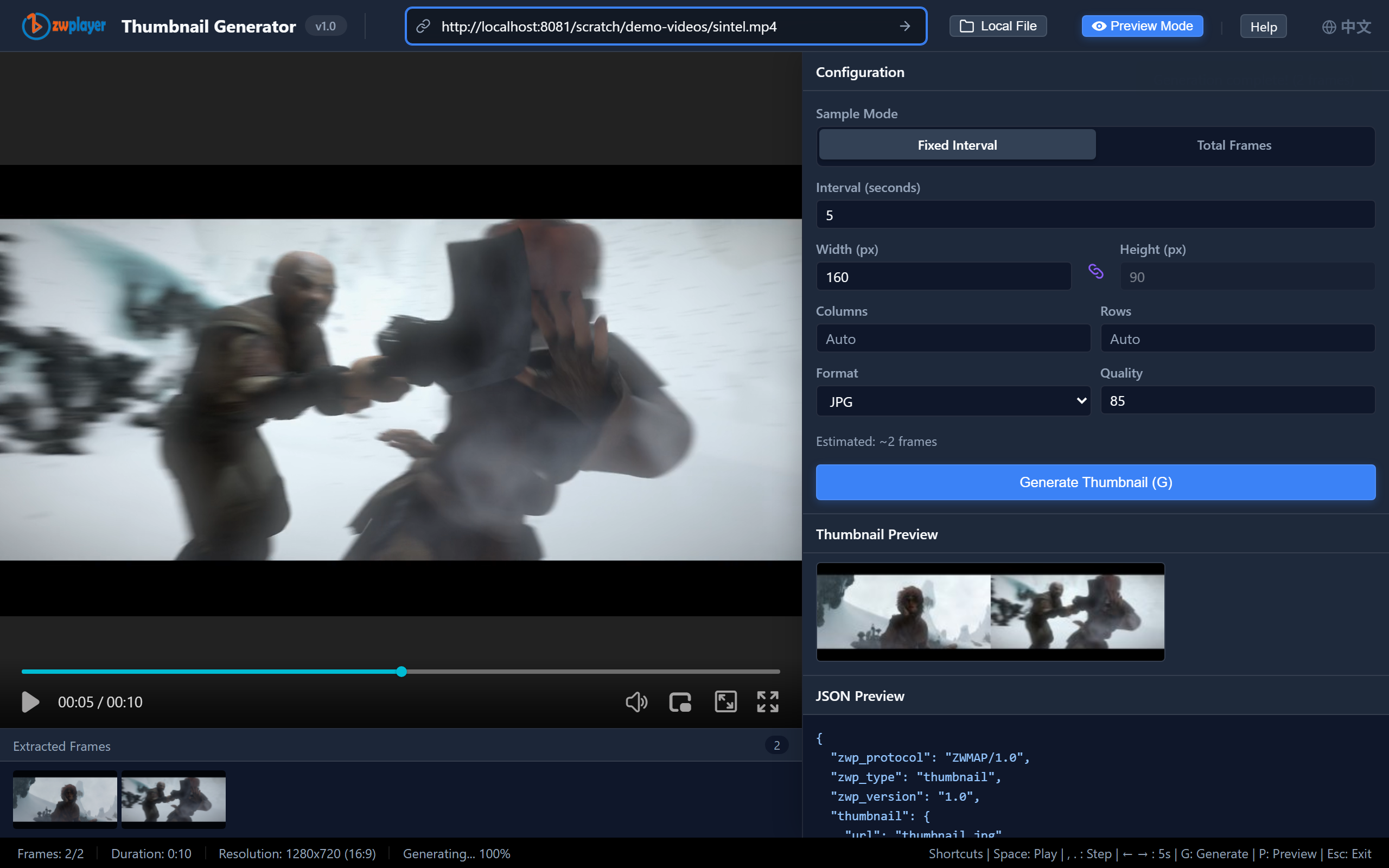
StitchImage is a browser-based image stitching tool that supports horizontal/vertical stitching, gap control, background color, output scaling, and more. Images are never uploaded to any server — just open and use.
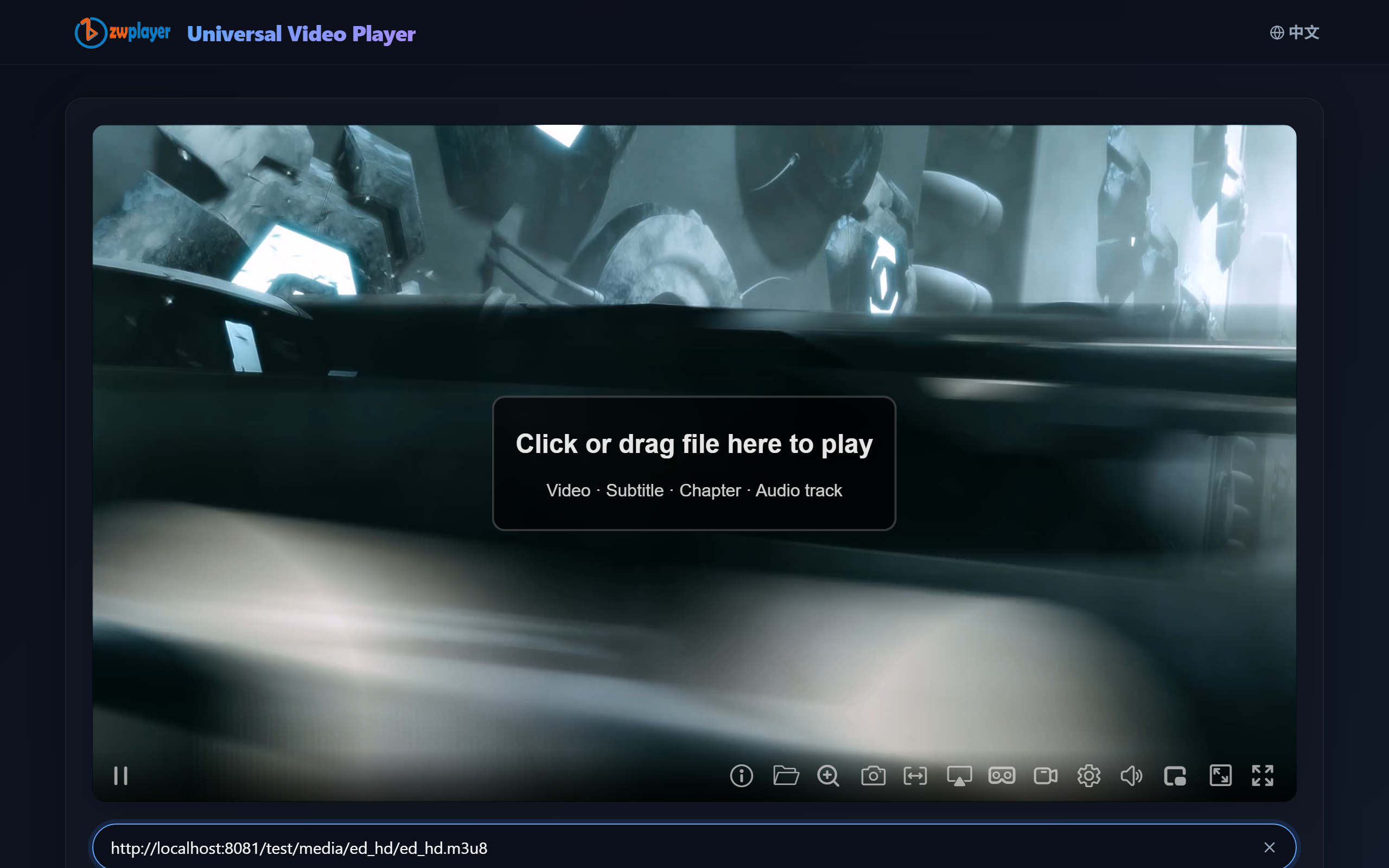
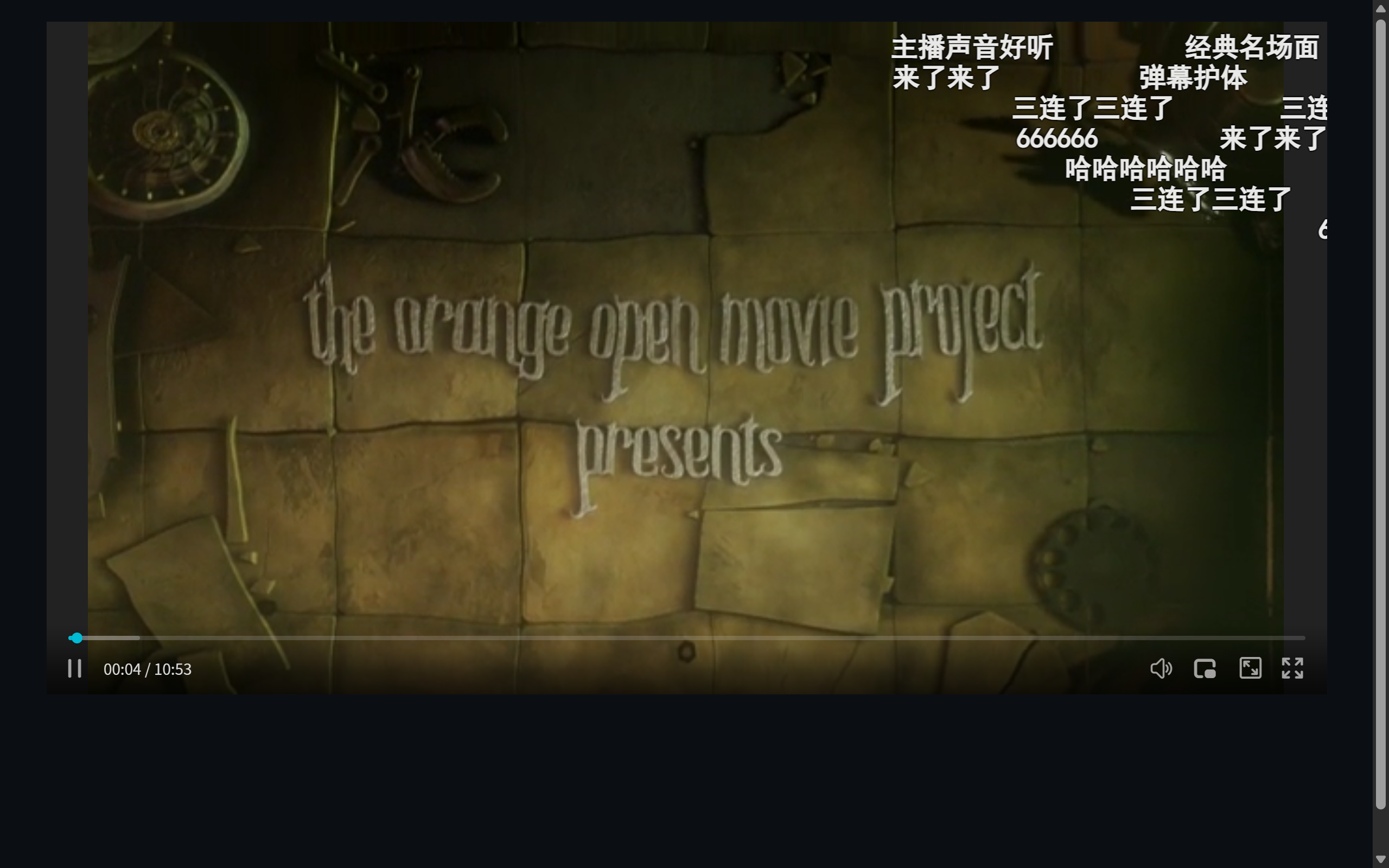
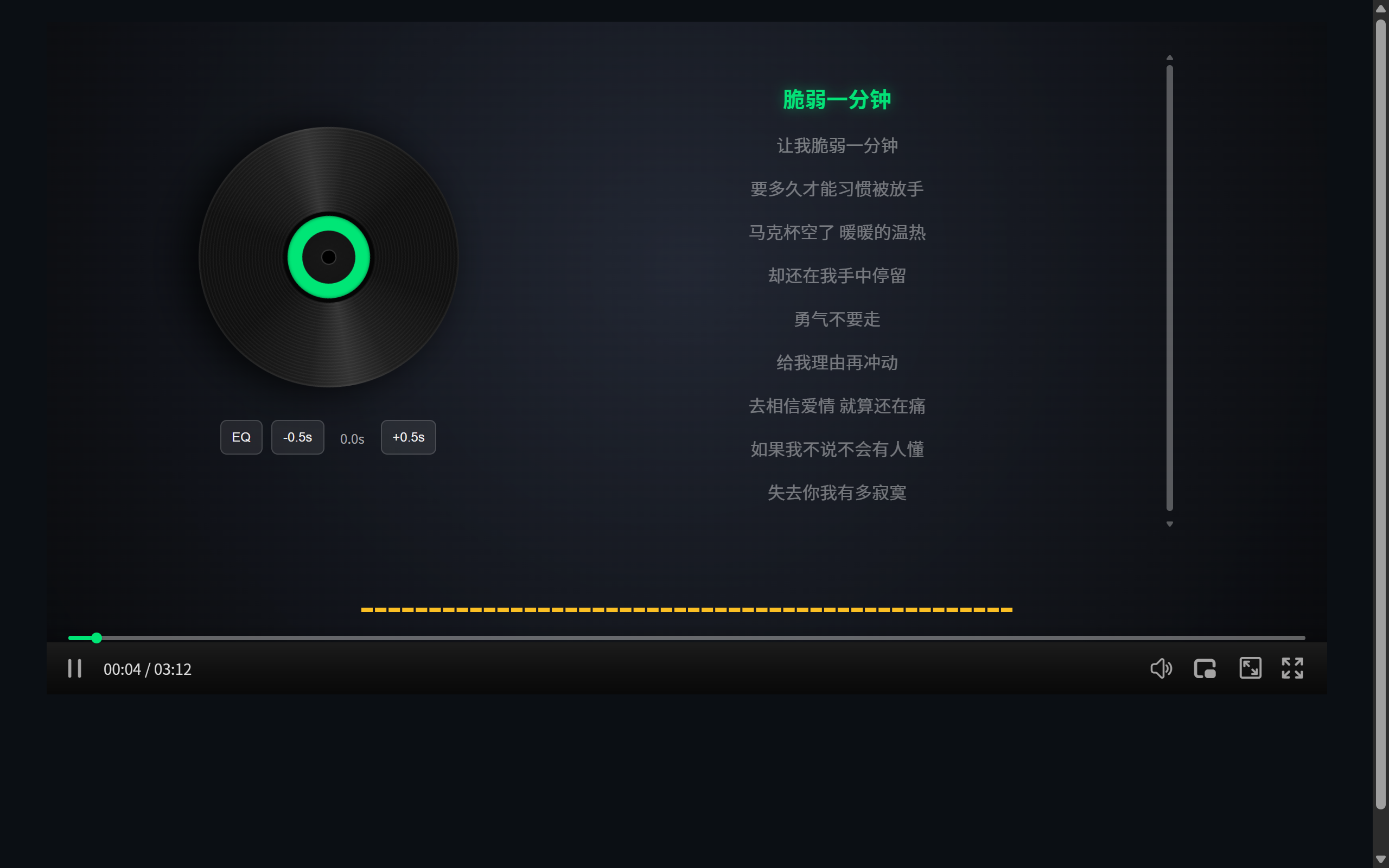
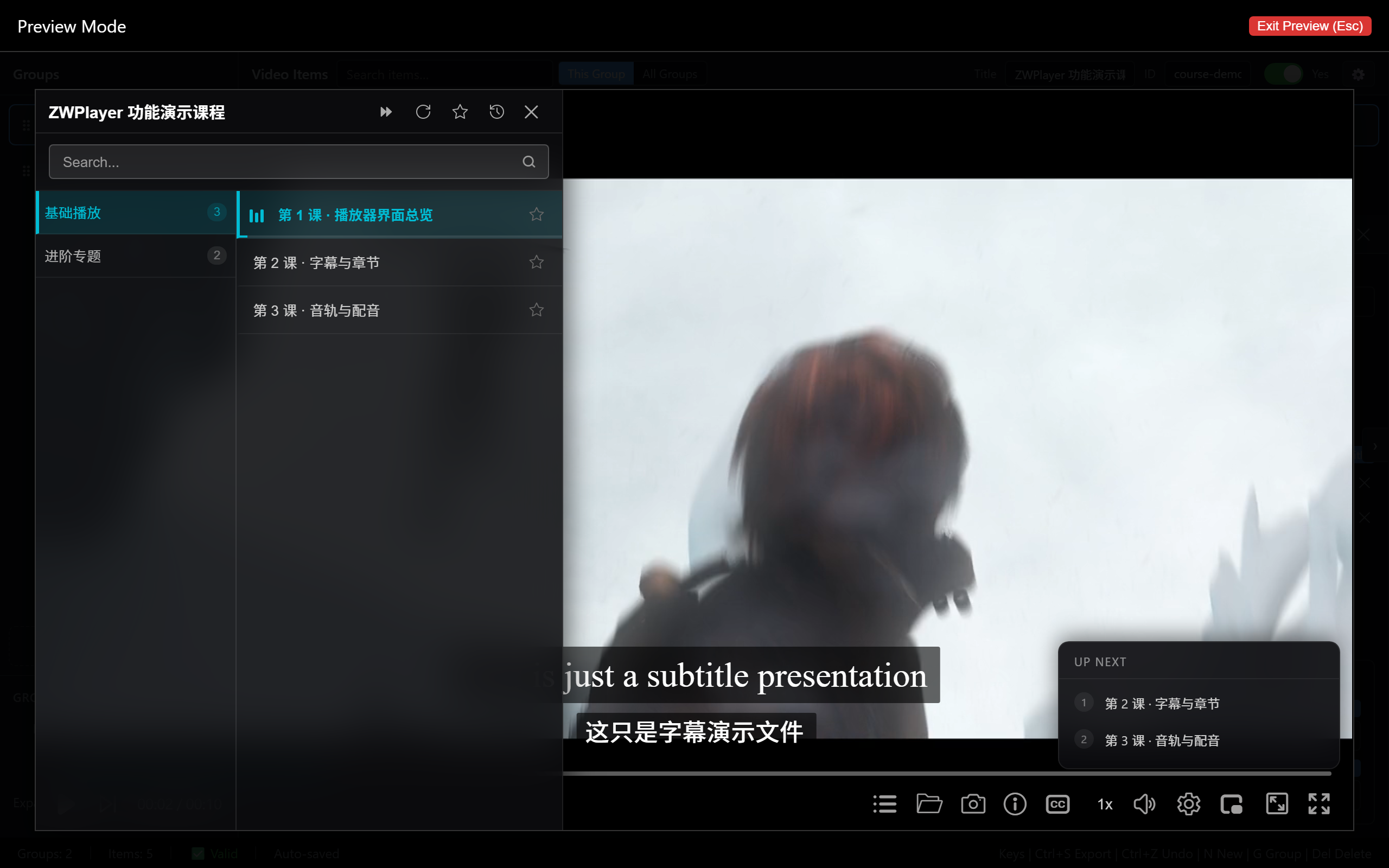
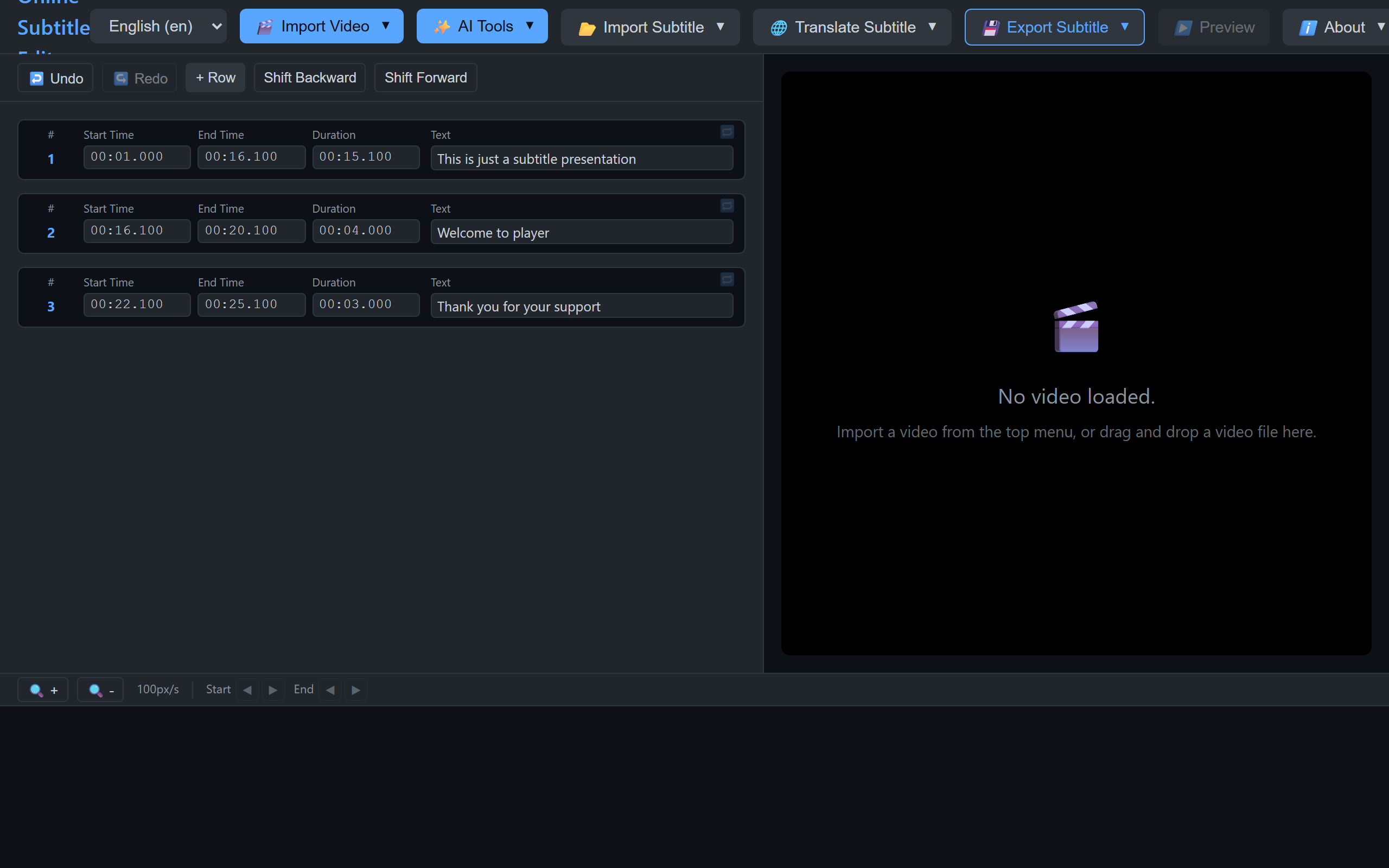
ZWPlayer is a powerful, free online player. Featuring innovative subtitle search technology, it enables real-time line search with millisecond-precision seeking. It also supports drag-and-drop for dual external subtitles (SRT/VTT/BCC/JSON), A-B looping, video recording, and volume enhancement—making it the perfect tool for online learning and media enthusiasts.
ZWPlayer is now officially released! This is a free, registration-free online video and audio player that is ready to use instantly. It supports mainstream protocols like WEBRTC, RTSP, and HLS, as well as local formats such as MP4 and MKV. It offers core features including professional A-B looping, live stream and clip recording, dual subtitles, and 4x volume boost. All data is stored locally in your browser, ensuring absolute privacy and security. Visit zwplayer.com/tools/videoplayer/ to try it now.
Google Gemini 3 Pro Image (Nano Banana 2) preview is live! I tested its iterative editing and watermark-free generation capabilities firsthand. Comparing it with Photoshop and Jimeng, I demonstrate how to generate a futuristic ZWPlayer promotional image using simple dialogue. Free trial currently available.
Here is a translation into natural English suitable for a blog description:
This article provides an in-depth analysis of the technical evolution of HLS from its inception in 2009 to the present day. It covers the complete development path, ranging from TS streams and HEVC encoding to fMP4 containers and LL-HLS low-latency technology. Designed for developers, it offers a breakdown of the core HLS technology stack and the value of technical breakthroughs at each stage, alongside practical tool resources like FFmpeg and hls.js to help you build efficient streaming applications.
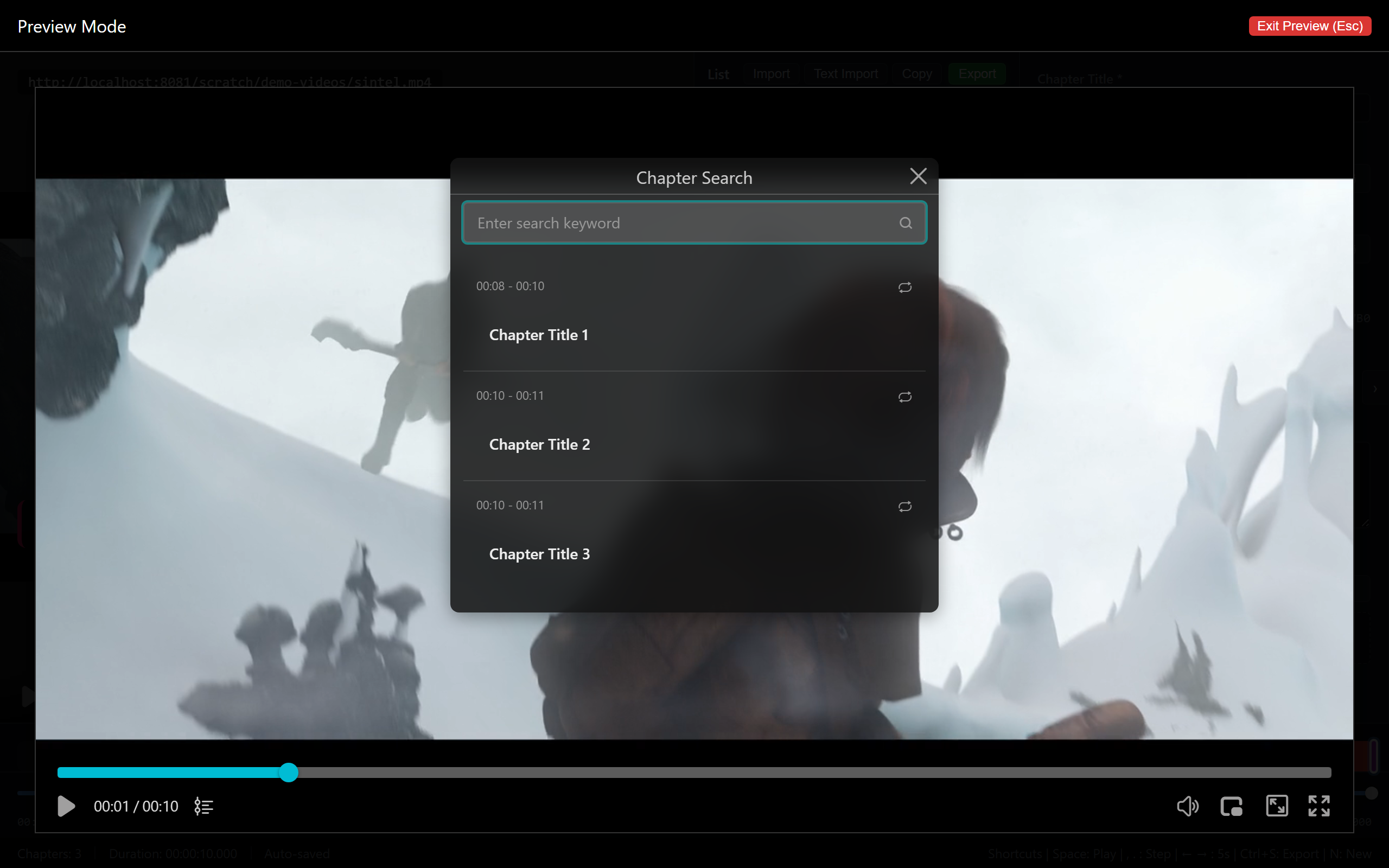
This comprehensive guide to WebVTT chapter markers covers essential syntax, HTML5 integration, ZWPlayer optimization strategies, and best practices. With concrete code examples and interface screenshots, it helps developers quickly implement video chapter navigation to significantly enhance the playback experience and boost user engagement.
In this article, we provide an in-depth technical analysis of CMAF for developers, explaining how it unifies HLS and DASH protocols to cut storage costs by 50%. Exclusively featuring real-world examples from the Apple WWDC25 official website, we analyze CMAF application details in production environments and manifest file code to help you build a modern streaming architecture.
This article provides a detailed tutorial on disabling Cross-Origin Resource Sharing (CORS) in Chrome. Use the `--disable-web-security` flag to quickly resolve cross-origin errors when testing local video sources. Includes complete command-line examples and important notes to help you streamline your development and debugging process.
Here are a few ways to translate this into natural English, depending on the desired tone:
**Option 1: Natural & Direct (Recommended)**
"Looking to set up a 24-hour slow broadcast for your small nano tank using a low-power camera with RTSP support? Based on real-world experience, this guide breaks down the key points for buying a camera on a budget of around 200 RMB that can clearly film a 30cm tank—specifically focusing on the 'focus' issue, which is the most easily overlooked detail."
**Option 2: Slightly more casual/Blogger style**
"Want to create a 24/7 slow livestream for your little fish tank using a low-power, RTSP-enabled camera? Drawing from hands-on trial and error, this article explains how to pick a camera within a ~200 RMB budget that captures a 30cm tank clearly. We cover the essentials, especially the 'focus' problem that most people tend to ignore."
This comprehensive guide breaks down everything you need to know about security camera power. It covers interface selection and specs for DC, PoE, and centralized power supply, details solutions for specialized scenarios like vehicle and solar setups, and provides troubleshooting tips for common installation issues to ensure a stable security system and avoid common pitfalls.
A "roadmap" for DASH streaming: a plain-English breakdown of the MPD file. As a developer, when you look to integrate smooth adaptive video streaming into your app or website, you will almost certainly encounter the terms DASH and MPD. DASH is the mainstream, high-efficiency streaming protocol of today, and the MPD is its core and soul. Simply put, the MPD is a roadmap that tells the player "where the video is, what versions are available, and how to play it."
Here is a translation tailored for a technical blog audience:
This comprehensive technical guide for developers dives deep into the HLS protocol's M3U8 file format. It thoroughly analyzes the fundamental structure of M3U8 files, distinguishing between Master and Media Playlists, and covers advanced features such as subtitle tracks, chapter markers, and encryption with DRM. Including practical examples, recommended debugging tools, and best practices, this guide is designed to help developers implement adaptive streaming, multi-language subtitles, and chapter management to optimize the video streaming experience.